This guide covers the basic materials you will need for my drawing and painting courses. You do not need to buy everything at once. Start with the essentials, then add materials as your skills and preferences develop.
Essential Starter Kit
For your first class, concentrate on these essentials.
The detailed recommendations further down the page give you more choice.
I generally recommend that new students begin with traditional oil paints, as they remain workable for a long time and are well suited to learning colour mixing and blending.
Water-mixable oils are also welcome and can be a good choice for students who prefer not to use conventional solvents. They behave in a broadly similar way to traditional oils, although they can feel slightly different in use.
Acrylic paints are also suitable for the course. They dry much more quickly than oils, so some techniques may need to be adapted. I will explain suitable alternatives where necessary.
Oil paints
I recommend beginning with Winsor & Newton Winton oil colours or another student-quality range. There is no need to begin with expensive professional paints.
Essential colours
Titanium White — buy a larger tube
Cadmium Yellow Pale Hue
Yellow Ochre
Permanent Rose
French Ultramarine
Burnt Umber — buy a larger tube
Burnt Sienna
Viridian Green
Useful additions
Naples Yellow
Cadmium Orange
Dioxazine Purple
Ivory Black
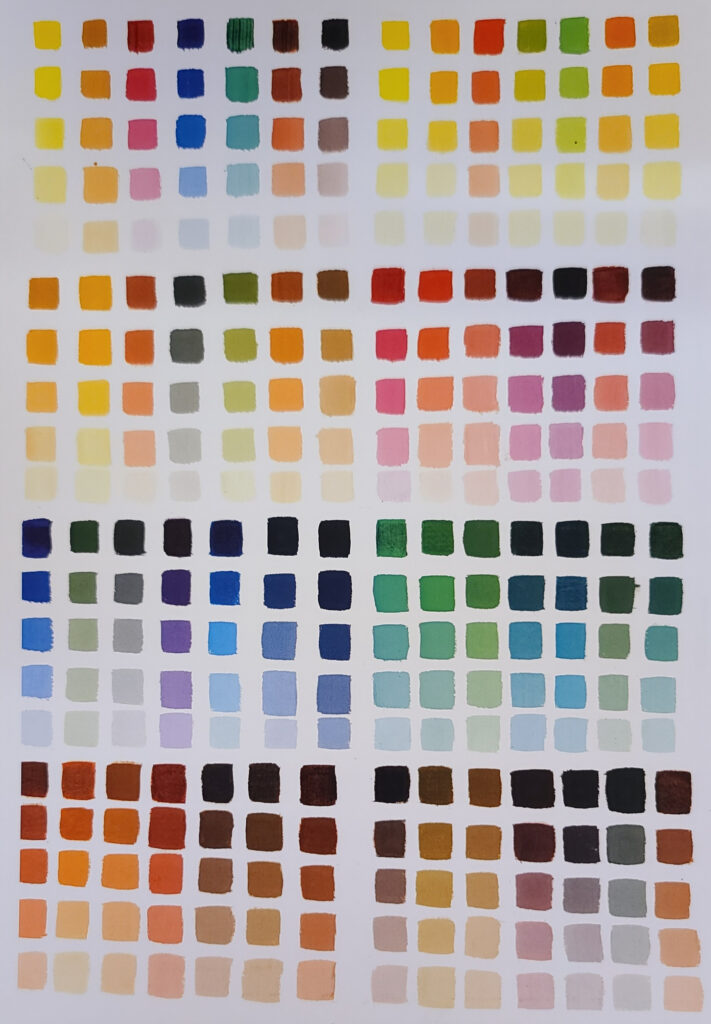
A colour chart based on the essential colours
Brushes and Palette Knives
You do not need a large collection of brushes to begin with. A few well-chosen brushes are more useful than a large set of poor-quality ones.
I recommend starting with:
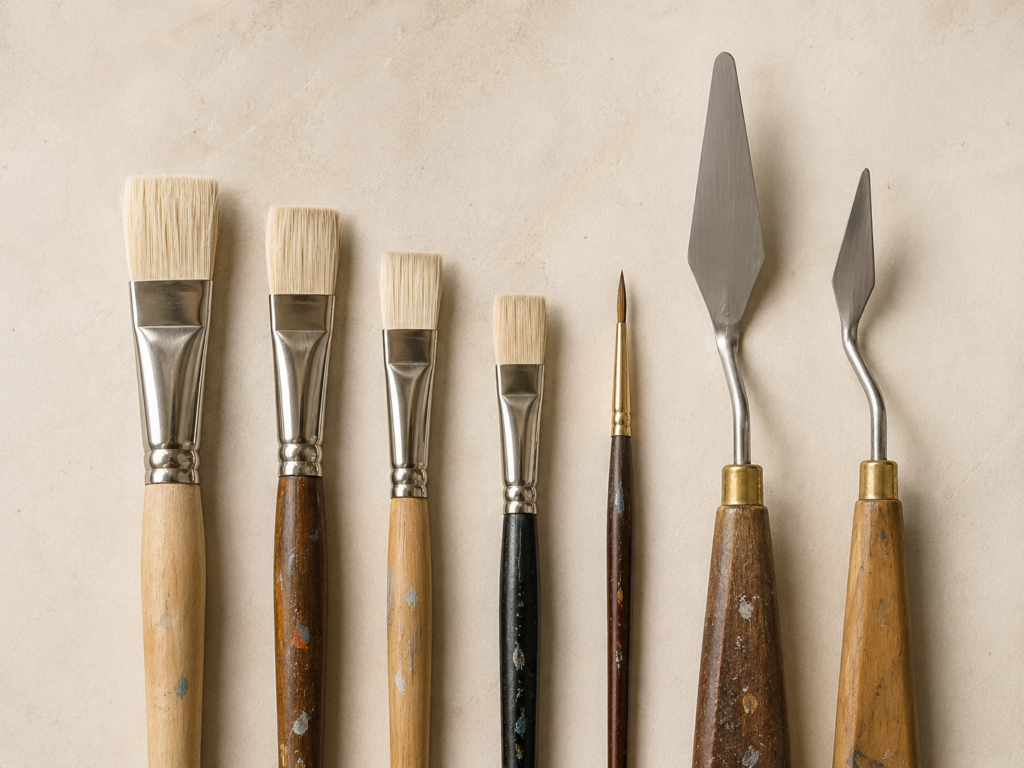
Short flat synthetic brushes in approximately sizes 2, 6 and 10
One synthetic rigger or fine round brush
One or two palette knives
I particularly like the Evergreen range from Rosemary & Co, although similar firm synthetic brushes are also suitable.
For acrylic painters, synthetic brushes are usually the best choice. Water-mixable oils can generally use the same brushes as traditional oils.
You do not need a large brush collection. Three short flats in different sizes, one small round or rigger, and one or two palette knives are enough to begin.
Palette
Choosing a Palette
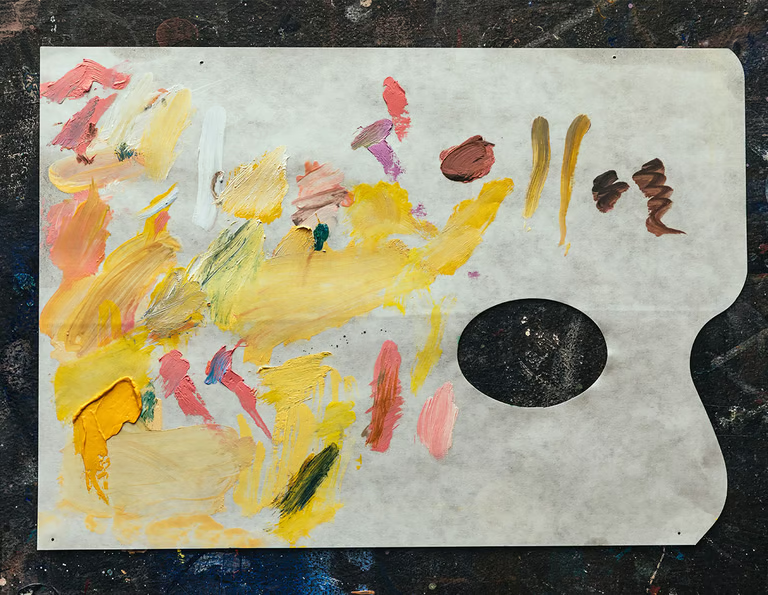
You can use a disposable palette, a box palette or a traditional wooden palette.
A box palette is an airtight container with either a disposable palette paper inside or glass palette. It can help keep unused paint workable between sessions.
Traditional wooden palettes require cleaning at the end of each session, but they usually provide more space for mixing colours and working with palette knives.
For most new students, a disposable palette or box palette is the simplest place to begin.
You can paint on stretched canvas, canvas board, oil-painting paper, or MDF/hardboard that has been properly prepared with gesso.
For most students, gesso primed boards are the simplest place to start. They are affordable, easy to transport, and available in standard sizes that are straightforward to frame later.
For beginners, I would normally suggest starting around 8 × 10 or 10 × 12 inches. These are large enough to work comfortably without becoming overwhelming.
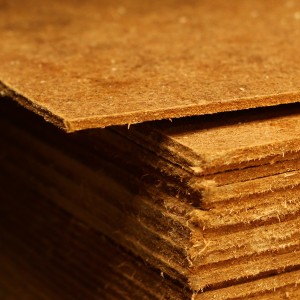
Hardboard Panels
Priming Boards
You can buy boards from hobby craft or the range – but the quality can be poor. The best method is to get some boards cut to size then prime them:
Use Gesso and apply one coat painting in one direction
Most students work very well with a tabletop easel, especially when working in class. They are compact, stable, easy to carry, and usually provide enough adjustment for drawing and painting.
A large drawing-board easel, such as the MEEDEN Large Drawing Board Easel, is a practical option because it can support both boards and canvases at a comfortable angle. It also makes it easy to view reference images.
The Herring Versatile Easel has also become popular with students and offers more flexibility while still being suitable for tabletop use.
You do not need to buy an expensive or professional easel before starting. A simple tabletop easel is perfectly adequate for most of the course, and you may already own something suitable.
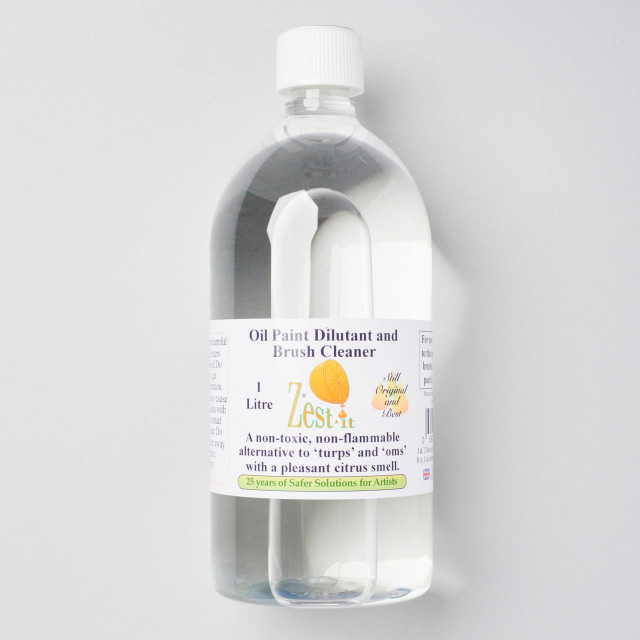
For traditional oil painting, you will need a small amount of solvent for cleaning brushes and, when necessary, thinning the paint.
I recommend using Zest-it or another low-odour artist’s solvent. Please avoid traditional artist’s turpentine in class, as the strong smell can cause headaches and discomfort in a shared room.
To help the paint flow more easily, you may also use a small amount of painting medium such as Liquin Original. Beginners do not need to use much—oil paint is usually best handled with as little additional medium as possible.
Bring:
Low-odour solvent. (zest it or Turps Substitute)
A jar with a secure lid or purpose-made brush washer
Cotton rags or pieces of old cloth
Kitchen roll
Table Cloth
Cloths and rags are useful for wiping paint from brushes while working.